02 November 2026
Why Bare Metal Surface Cleaning Matters for NFPA 96 Compliance
Presented by @baremetalsurfacecleaningworld
If you have ever stood under a commercial kitchen hood after a long shift and looked up at the metal surfaces, you know the truth. Grease does not just sit there. It bakes on, layer by layer, until the shiny steel turns into a tacky, brown crust that smells like old oil and feels like glue. That crust is more than an eyesore. It is a fire waiting to happen. The National Fire Protection Association understands this better than anyone, which is why their standard NFPA 96 sets strict rules for how clean those surfaces must be. And the gold standard for meeting those rules is something the industry calls bare metal surface cleaning.
Let me walk you through what that actually means in a real kitchen, because the difference between a wiped-down hood and a truly compliant system is bigger than most people realize.
The Difference Between Clean and Bare Metal Clean
I have been inside kitchens where the hood looks clean to the untrained eye. The grease filters are in place, the exhaust fan hums along, and the walls around the cooking line are wiped down. But when you shine a flashlight up into the ductwork, you see it. A thick, amber-colored coating of hardened grease that has been accumulating for months. That coating is a fuel source. If a fire breaks out on the cook line and the flames reach that layer inside the hood or the exhaust duct, the fire suppression system may not stop it. The heat can ignite the grease itself, and suddenly you have a duct fire that spreads through the building.
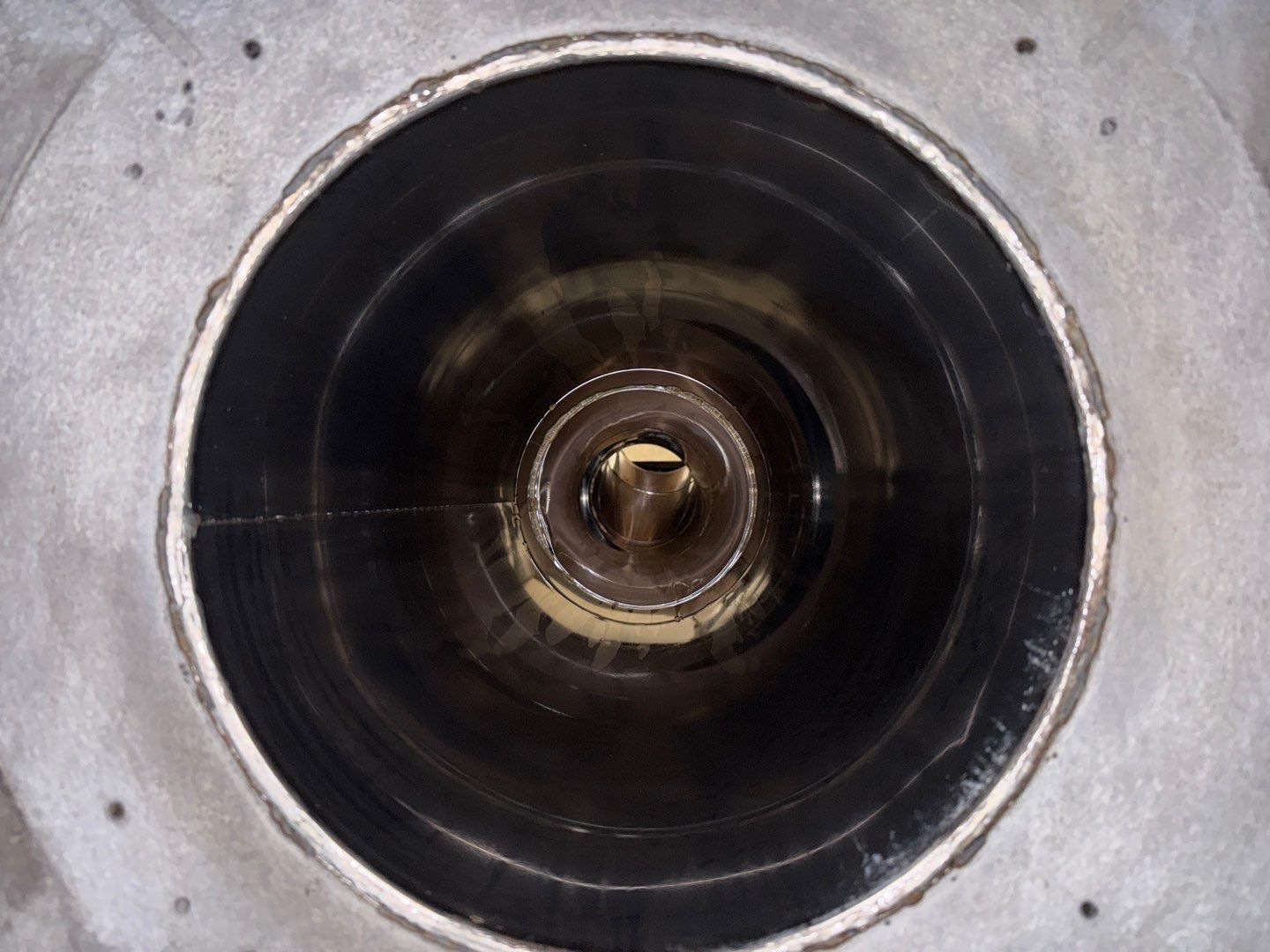
Bare metal surface cleaning means removing every trace of that grease buildup down to the original metal. No film, no residue, no shiny spots that are actually just polished grease. The metal should feel dry and slightly rough to the touch, like a clean pan from the dishwasher. That level of cleanliness is what the NFPA 96 standard demands, and it is what a professional hood cleaning service should deliver every time.
Why NFPA 96 Is So Specific
The NFPA 96 standard exists because commercial kitchen fires are a real and expensive problem. The National Fire Protection Association has studied enough of them to know that the single biggest factor in preventing duct fires is regular, thorough cleaning of the entire exhaust system. That includes the grease hood, the ductwork, the exhaust fan, and every fitting in between. The standard does not just say "clean the hood." It specifies that surfaces must be cleaned to bare metal, with no visible grease accumulation. It also sets inspection intervals based on the volume of cooking and the type of food being prepared. A high-volume fast-food kitchen running twelve hours a day needs cleaning more often than a church kitchen that operates once a week.
One thing I have learned over the years is that compliance is not just about passing an inspection. It is about reducing fire risk reduction in a way that actually works. A thin film of grease that you cannot see with the naked eye can still burn if it gets hot enough. That is why the standard pushes for bare metal, not just "pretty clean."
How Professionals Achieve Bare Metal Results
Getting a commercial kitchen hood down to bare metal is not something you can do with a spray bottle and a rag. It takes the right tools, the right chemicals, and a methodical approach. Most professional hood cleaning services use a combination of high-temperature cleaning and chemical degreasers that break down cooked-on grease. A pressure washer is common for the larger duct sections, but you have to be careful. Too much pressure can force water into electrical components or damage the seals around the exhaust fan. Experienced cleaners know where to apply heat and where to rely on dwell time for the degreaser to work.
I have watched crews work on a particularly neglected system where the ductwork had not been cleaned in over a year. The grease was so thick inside the duct that it had started to drip out of the seams. That job took a full day, with three passes of chemical application and scraping. By the end, the interior of the duct looked like new steel. That is the level of bare metal surface cleaning that the NFPA 96 standard requires, and it is also what keeps a fire suppression system like a UL 300 system from being overwhelmed during a real fire event.
The Role of the Fire Suppression System
Speaking of fire suppression, it is worth understanding how these two systems work together. A UL 300 listed fire suppression system is designed to put out a fire on the cooking surface. It uses a wet chemical agent that smothers the flames and cools the metal. But that system only protects what is directly below the hood. If grease has built up inside the exhaust duct, a fire can travel upward faster than the suppression system can reach it. The exhaust fan can pull the flames up into the ductwork, and once the fire is inside the duct, the suppression system cannot do much. The only thing that stops a duct fire is the lack of fuel. That is why bare metal surface cleaning is not optional. It is the single most effective way to keep a fire from spreading beyond the cook line.

I have seen fire reports where the suppression system activated correctly, but the fire still caused significant damage because the ductwork was not clean. The flames found the grease inside the duct and kept burning until the building's sprinkler system finally knocked it down. By that point, the damage was done. A clean duct would have starved the fire of fuel and kept it contained to the cooking equipment.
Common Mistakes That Undermine Compliance
Even well-intentioned kitchens make mistakes. One of the most common is assuming that cleaning the grease filters is enough. The filters catch a lot of the airborne grease, but a significant amount still passes through and accumulates in the ductwork and the exhaust fan. Another mistake is using the wrong type of degreaser. Some household degreasers leave a residue that can actually attract more grease over time. Professional kitchen exhaust cleaning requires chemicals that are strong enough to dissolve the grease without damaging the metal or leaving a film.
Another issue I see is uneven cleaning. A crew might do a great job on the hood and the first few feet of ductwork, but neglect the sections farther away from the cooking line. The exhaust fan itself is often overlooked, yet it is one of the most critical parts of the system. If the fan blades are coated in grease, they become unbalanced, which puts stress on the motor and creates a fire hazard. The NFPA 96 standard requires that all components of the exhaust system be cleaned to bare metal, including the fan housing and the blades.
What Kitchen Managers Should Look For
If you are responsible for a commercial kitchen, you should know what to expect from a hood cleaning service. A good provider will give you a report after each cleaning that documents the condition of the system before and after the work. Look for photos that show the interior of the ductwork and the fan. The metal should be visibly clean, with no streaks or patches of grease. If the report shows anything less than bare metal, ask for a redo. Your fire code compliance depends on it.
You should also check the credentials of the company. Are they familiar with the NFPA 96 standard? Do they carry insurance that covers commercial kitchen exhaust cleaning? Do they understand the requirements of your local fire code and ASHRAE guidelines for ventilation? These are not small questions. A mistake in cleaning can cost you a failed inspection, a fine, or worse, a fire that could have been prevented.

The Bottom Line
Bare metal surface cleaning is not a marketing term. It is a measurable standard that directly affects the safety of your kitchen, your staff, and your building. The National Fire Protection Association wrote the NFPA 96 standard to reduce the risk of duct fires, and the most effective way to meet that standard is to ensure that every inch of the exhaust system is stripped down to the original metal. That includes the grease hood, the ductwork, the exhaust fan, and every fitting in between.
If you are hiring a hood cleaning service, make sure they understand what bare metal means and that they are willing to show you proof of their work. If you are doing the cleaning yourself, invest in the right equipment and the right training. And if you are a kitchen manager, make fire risk reduction a priority every single shift. A clean kitchen is a safe kitchen, and a safe kitchen is one where everyone goes home at the end of the night.